
Indiana Hits 100 Schools in Girls Flag Football
The Indianapolis Colts completed a $1 million initiative that grew Indiana girls flag football from eight high school teams in 2023 to 108 in 2026, clearing the participation threshold the IHSAA requires before it can vote on full sanctioning as early as May 2027.
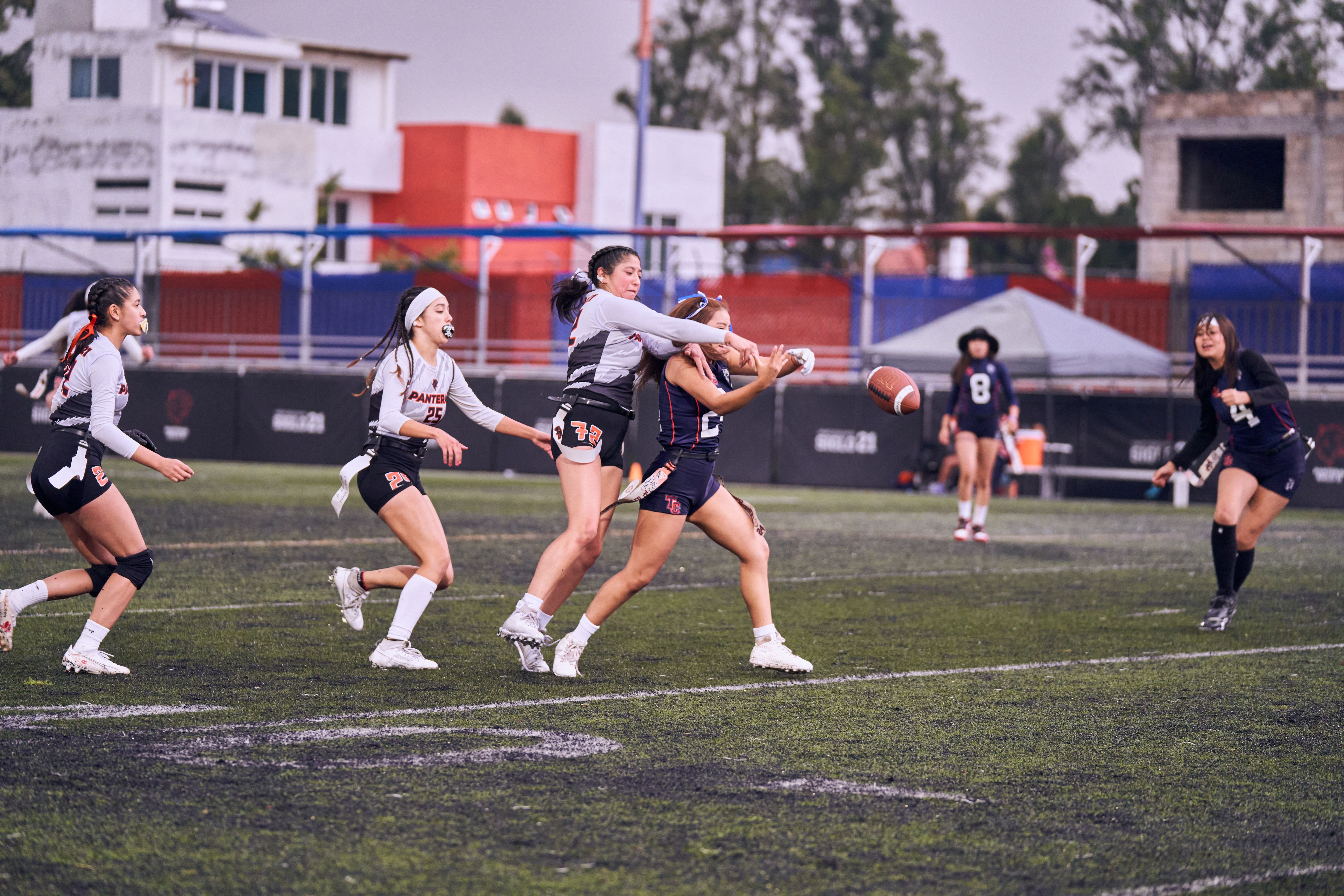
At a Glance
- The Indianapolis Colts announced on July 26 that 108 Indiana high schools now sponsor girls flag football, completing the franchise's Road to 100 initiative.
- That total clears the 100-school threshold the IHSAA requires of an emerging sport, putting a full sanctioning vote on the table as early as May 2027.
- Thirty-eight states now offer high school girls flag football and more than 100 colleges plan to field women's programs, all of it building toward the sport's Olympic debut in Los Angeles in 2028.
The Indianapolis Colts announced on July 26 that Indiana has crossed a threshold three years in the making. With 108 high schools now sponsoring girls flag football across more than 50 Indiana cities and towns, the franchise declared its Road to 100 initiative complete and handed the Indiana High School Athletic Association the participation numbers it needs to consider making the sport official.
The timing was deliberate. The announcement landed during the 2026 NFL Flag Championships at the Droplight Grand Park Sports Campus in Westfield, roughly 25 miles north of downtown Indianapolis, where more than 350 teams from around the world spent four days competing on the sport's largest youth stage.
The Road to 100
Indiana had eight girls flag football teams in 2023. That grew to 27 in 2024, enough for the IHSAA to grant the sport emerging status, then to 78 in 2025 and 108 in 2026. Behind the curve was a $1 million commitment from the Irsay family, distributed as startup grants of up to $10,000 per school against typical launch costs of $5,000 to $8,000 for equipment, uniforms and coaching. Additional startup funding remains available for schools joining in 2026.
"Girls flag football provides another pathway for girls to learn, play and love our great sport," said Kalen Jackson, the Colts owner and chief brand officer who has driven the franchise's investment in the sport.
What Sanctioning Would Mean
Under IHSAA rules, an activity needs a minimum of 20 schools to gain emerging sport status and 100 schools to become eligible for a sanctioning vote. Indiana has now cleared both. A vote could come as early as May 2027, which would move girls flag football from a supported activity into a full IHSAA championship sport with the postseason structure, officiating standards and recognition that designation carries.
"Reaching more than 100 participating schools is a tremendous milestone for girls flag football," IHSAA commissioner Paul Neidig said.
A Week Indiana Will Remember
The milestone arrived alongside the state's turn as host of the NFL Flag Championships, which ran July 23 to 26 and drew regional champions representing all 32 NFL clubs plus international squads from a dozen countries. The Colts also staged the inaugural All-Indiana Girls Flag Football All-Star Game at Grand Park on July 26, pairing the state's own players with an event that reached a record audience on ABC, ESPN and Disney platforms.
"The momentum behind girls flag football continues to accelerate, driven by the athletes themselves," said Brian Flinn, the NFL's senior vice president of global flag football.
The National Picture
Indiana is one piece of a much larger build. Thirty-eight states now offer high school girls flag football, according to the NFL, and more than 100 colleges are expected to field women's programs in the coming academic year. The NCAA Committee on Access, Opportunity and Impact voted in May 2026 to recommend that all three divisions sponsor legislation creating a National Collegiate Flag Football Championship, with votes scheduled for January 2027 and a first championship projected for spring 2028. Flag football makes its Olympic debut at Los Angeles in 2028. For an Indiana sophomore playing her first varsity season this fall, that pathway now runs from a high school field to a college roster to a national team, and it did not exist five years ago.